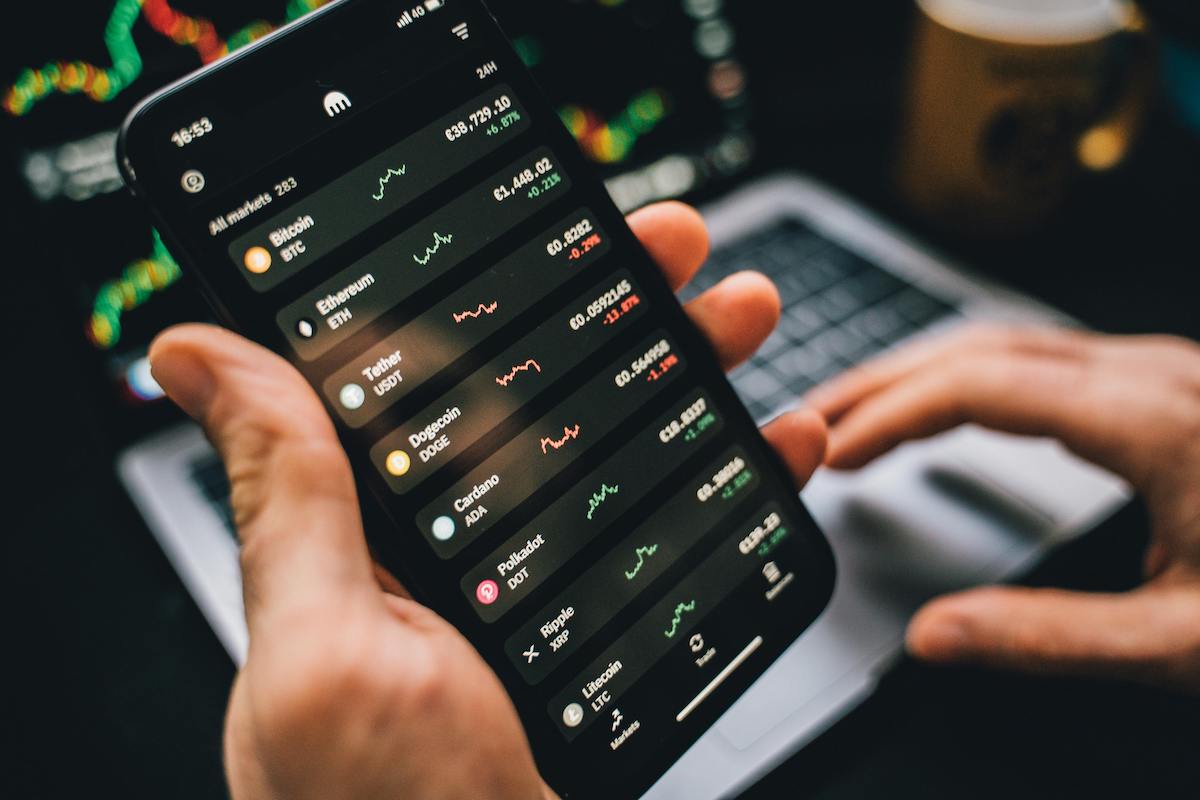
Crypto presales give investors a chance to buy tokens before they become publicly available. For many people, they represent an opportunity to get involved in a project at an early stage and potentially benefit if the project succeeds.
Unfortunately, not every presale is legitimate. Some platforms are created solely to collect funds from unsuspecting investors before disappearing. Others use fake teams, fabricated roadmaps, and misleading promises to convince people to send cryptocurrency to fraudulent wallets.
If you've encountered a scam crypto presale platform, reporting it is one of the most important steps you can take. While reporting may not always lead to an immediate recovery of funds, it helps authorities track fraudulent activity, warns other investors, and increases the chances of future enforcement action against the people responsible.
This guide explains how to report a scam crypto presale platform, what evidence you should collect, and where you can submit reports.
Common Signs of a Scam Crypto Presale
Before discussing reporting procedures, it's worth understanding the warning signs that often appear in fraudulent presales.
Some common red flags include:
- Anonymous or unverifiable team members
- Unrealistic profit guarantees
- Fake partnerships with well-known companies
- No whitepaper or poorly written documentation
- Pressure to invest quickly
- Disabled comments on social media channels
- Wallet addresses changing frequently
- No smart contract audit
For example, some scammers create professional-looking websites that claim partnerships with Binance, Coinbase, or major blockchain projects. A quick check often reveals that these partnerships never existed.
In other cases, scammers launch a token presale, collect investor funds, and then delete their website, Telegram group, and social media accounts within days.
Why Reporting a Scam Matters
Many victims assume there's no point in reporting a crypto scam because blockchain transactions are irreversible.
While recovering funds can be difficult, reporting still serves several important purposes.
First, it helps investigators identify patterns. A scammer who targets one group of investors today may target thousands more tomorrow.
Second, reports help security companies flag malicious wallet addresses, domains, and smart contracts.
Finally, your report may contribute to larger investigations involving multiple victims across different countries.
Several major crypto fraud cases started because multiple victims submitted reports containing similar wallet addresses and transaction records.
Gather Evidence Before Filing a Report
The quality of your report depends largely on the evidence you provide.
Before reporting the platform, collect as much information as possible.
Important details include:
- The website URL
- Project name
- Token contract address
- Wallet addresses involved
- Transaction hashes
- Screenshots of the website
- Screenshots of conversations
- Emails received from the project
- Social media profiles connected to the scam
- Dates and times of interactions
For example, if you sent USDT to a wallet during a presale, copy the transaction hash from the blockchain explorer. This transaction record provides verifiable proof that the transfer occurred.
The more information you provide, the easier it becomes for investigators and security teams to analyze the case.
Report the Wallet Address
One of the first things you should do is report the scammer's wallet address.
Most major blockchain explorers allow users to flag suspicious addresses.
Examples include:
- Etherscan
- BscScan
- PolygonScan
- Arbiscan
- Solscan
When enough reports are submitted, the wallet may be marked as suspicious, helping other users avoid sending funds to it.
For example, if a scammer's wallet has already received hundreds of reports, future investors may see warning labels before interacting with that address.
Report the Website to Security Services
Many crypto security companies maintain databases of malicious websites and phishing domains.
You can report scam websites to organizations such as:
- CertiK
- Chainabuse
- Scam Sniffer
- PeckShield
Chainabuse, in particular, allows users to submit detailed reports about crypto scams, fraudulent wallet addresses, phishing attacks, and fake investment platforms.
These reports help create public records that other users can search before investing.
Contact Your Crypto Exchange
If you transferred funds from a centralized exchange such as Binance, Coinbase, Bybit, Kraken, or OKX, contact their support team immediately.
Provide:
- Transaction IDs
- Wallet addresses
- Dates and times
- Details about the scam
Although exchanges cannot reverse blockchain transactions, they may be able to monitor destination addresses and cooperate with law enforcement if stolen funds eventually pass through their platforms.
The sooner you report the incident, the better.
Report the Scam to Law Enforcement
If you've lost money, filing an official report with law enforcement is important.
Depending on your location, you may report the scam to:
United States
- FBI Internet Crime Complaint Center (IC3)
- Federal Trade Commission (FTC)
United Kingdom
- Action Fraud
Canada
- Canadian Anti-Fraud Centre
Australia
- ReportCyber
Other Countries
Most countries now have cybercrime units that accept reports related to cryptocurrency fraud.
Even if the scammers operate internationally, local authorities can often share information with foreign agencies.
Report Fake Social Media Accounts
Many scam presales rely heavily on social media.
They may use:
- Fake Twitter accounts
- Telegram groups
- Discord servers
- Facebook pages
- YouTube channels
Report these accounts directly through the platform's reporting system.
For example, if a fake account is pretending to represent a legitimate blockchain project, reporting it may lead to the account being suspended before more people are affected.
Warn Other Investors
After reporting the scam through official channels, consider sharing your experience with the crypto community.
You can post factual information on:
- Bitcointalk
- X (formerly Twitter)
- Crypto forums
- Blockchain communities
Focus on facts rather than assumptions.
Share:
- Website URLs
- Wallet addresses
- Transaction evidence
- Screenshots
This helps other investors identify the scam and avoid making the same mistake.
Can You Recover Your Funds?
Unfortunately, recovering funds from a crypto scam is often difficult.
Blockchain transactions are generally irreversible, and scammers frequently move funds across multiple wallets or use privacy tools to hide their activity.
However, recovery may sometimes be possible if:
- Funds reach a centralized exchange
- Assets are frozen during an investigation
- Authorities identify the individuals behind the scam
Be cautious of anyone claiming they can recover your funds for an upfront fee.
Many so-called "recovery services" are scams themselves and target people who have already lost money.
Final Thoughts
Being scammed by a fake crypto presale platform can be frustrating and costly, but taking action still matters. Reporting the website, wallet addresses, social media accounts, and transaction details helps protect other investors and supports ongoing investigations into crypto fraud.
If you encounter a suspicious presale, document everything, submit reports through the appropriate channels, and share verified information with the community. While reporting may not guarantee fund recovery, it plays an important role in making the crypto space safer for everyone.