
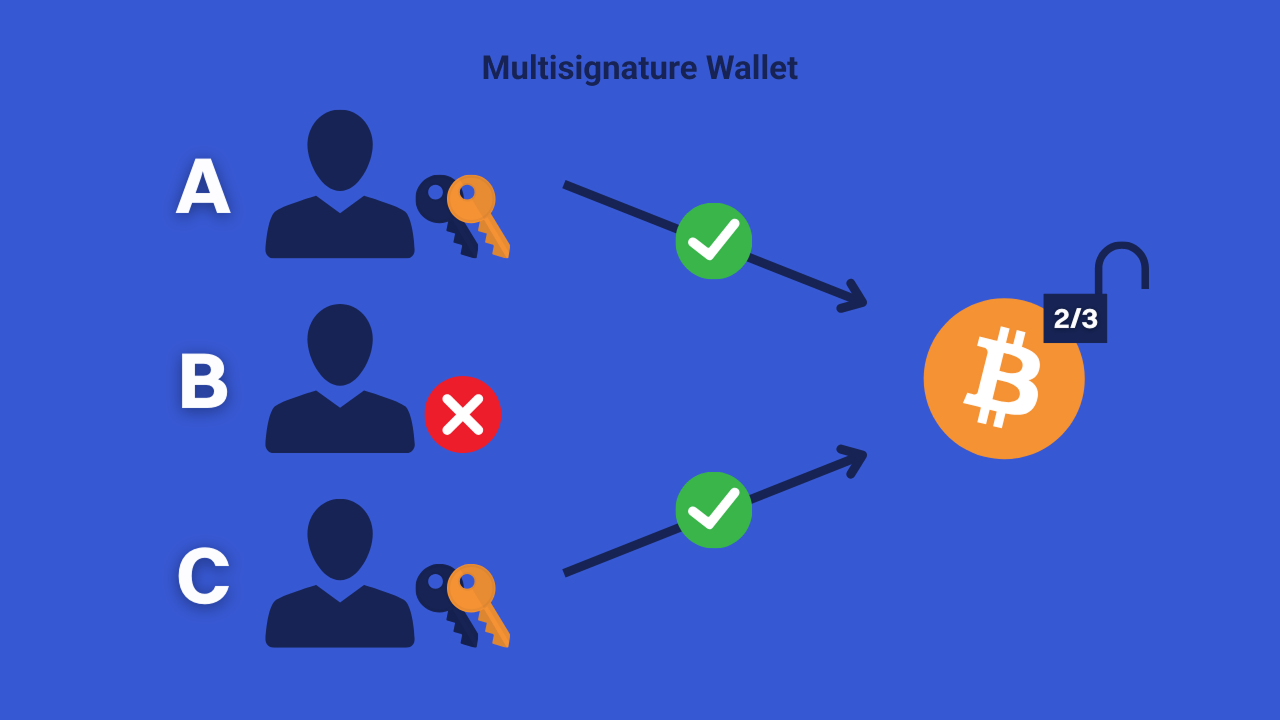
Moving assets across blockchains can sometimes take longer than expected, especially when multi-signature bridge transactions require approval from multiple validators or signers before they are finalized. During this waiting period, market prices can change significantly, exposing your position to unexpected gains or losses.
For traders and investors handling large transfers, this delay creates a challenge. Even if your assets are secure, their value may fluctuate before the bridge transaction is completed. This is where hedging strategies can help reduce risk and provide greater peace of mind while waiting for funds to arrive on the destination network.
In this guide, you'll learn how to hedge your position value during multi-signature bridge delays, the tools commonly used to manage price exposure, and the factors to consider before implementing a hedging strategy. Understanding these techniques can help you better manage risk when moving assets across blockchain ecosystems.
What is a Multi-Signature Bridge Transaction?
A multi-signature bridge transaction is a process that moves assets between different blockchains, requiring approval from multiple authorized parties (signers) to complete.
This multi-party approval mechanism adds a layer of security but inherently introduces delays, often ranging from several minutes to hours, depending on the bridge's design and network congestion.
Why Do You Need to Hedge During Bridge Delays?
You need to hedge during bridge delays to protect the value of your assets from price fluctuations while they are in transit.
During the time your funds are locked in a bridge, they are exposed to market volatility, meaning their value can significantly change before they arrive on the destination chain.
What are the Main Hedging Strategies for Bridged Assets?
There are several effective strategies to protect your asset's value while it's tied up in a multi-signature bridge, each with its own advantages and risks.
These methods generally involve taking a short position on a derivatives platform that mirrors your bridged asset.
- Shorting on a Centralized Exchange (CEX): This involves opening a short position on a major centralized exchange like Binance or Coinbase for the asset you are bridging. It's straightforward but requires you to have funds already on the CEX.
- Shorting on a Decentralized Exchange (DEX): Platforms like Hyperliquid or GMX allow you to open a short position directly on-chain, often with higher leverage and without KYC. This is a popular choice for Web3 natives.
- Using Options Protocols: Protocols such as Lyra or Aevo offer put options that can act as insurance against price drops. This strategy provides downside protection for a premium, without the risk of liquidation if the price moves up.
How Does Shorting on Hyperliquid Work to Hedge a Bridged Position?
Shorting on Hyperliquid involves taking a bearish position on a perpetual futures contract for the asset you are bridging, effectively locking in its value.
This method is popular due to Hyperliquid's deep liquidity and efficient execution on its dedicated Layer-1 blockchain, allowing for precise hedging.
READ ALSO
How Do You Fund Your Hyperliquid Account and Prepare for Hedging?
You fund your Hyperliquid account by depositing USDC or other supported collateral directly onto its Layer-1 network, typically from Arbitrum or Ethereum mainnet.
Ensure you have sufficient collateral to cover your desired short position, considering potential funding rates and liquidation thresholds.
- Bridge USDC to Hyperliquid L1: Use a secure bridge to transfer USDC from a chain like Arbitrum to the Hyperliquid Layer-1. This usually takes a few minutes.
- Connect Your Wallet: Access the Hyperliquid platform and connect your Web3 wallet, such as MetaMask or Rabby.
- Verify Collateral: Confirm that your deposited USDC collateral is visible in your Hyperliquid account balance.
How Do You Open a Short Position to Hedge Your Bridged Asset?
You open a short position by selecting the perpetual futures contract for the asset you are bridging and entering a 'Sell' order for the equivalent value.
For example, if you are bridging 10 ETH worth $30,000, you would open a short position for 10 ETH on Hyperliquid.
- Select the Trading Pair: Navigate to the perpetual futures market for the asset you are bridging (e.g., ETH-USD).
- Choose 'Sell/Short': Select the 'Sell' or 'Short' option on the trading interface.
- Enter Position Size: Input the notional value or quantity of the asset you want to short, matching the value of your bridged funds.
- Set Leverage (Optional): Adjust your leverage carefully; higher leverage increases liquidation risk. A 1x leverage is often sufficient for a pure hedge.
- Execute Order: Place a market or limit order to open your short position. Confirm the transaction in your wallet.
How Do You Manage and Close Your Hedged Position?
You manage your hedged position by monitoring both the price of your bridged asset and your Hyperliquid short, then close the short once your bridged funds clear.
The goal is to close the short position at approximately the same time your original assets become available on the destination chain.
- Monitor Bridge Status: Keep a close eye on the multi-signature bridge's progress and estimated completion time.
- Track Funding Rates: Be aware of Hyperliquid's funding rates, which can impact the cost of holding your short position over time.
- Close Short Position: Once your bridged assets are confirmed on the destination chain, immediately close your short position on Hyperliquid by placing a 'Buy' order for the same amount.
Comparing On-Chain Hedging Platforms: Hyperliquid vs. GMX v2
When choosing an on-chain platform for hedging, Hyperliquid and GMX v2 each offer unique strengths. The right choice depends on factors such as execution speed, trading costs, available markets, and collateral flexibility.
Execution Speed
Hyperliquid
- Offers sub-millisecond execution on its dedicated Layer 1 network.
- Designed for fast order processing and low-latency trading.
GMX v2
- Provides fast execution on Arbitrum and Avalanche.
- Transaction speed is still influenced by Layer 2 block times and network conditions.
Transaction Costs
Hyperliquid
- Features extremely low trading fees.
- Uses a predictable fee structure that remains consistent across most trades.
GMX v2
- Benefits from low gas costs on Arbitrum and Avalanche.
- Fees can vary depending on network congestion and trading activity.
Available Markets
Hyperliquid
- Supports a wide range of perpetual futures markets.
- Includes many smaller-cap and emerging crypto assets.
GMX v2
- Focuses primarily on major cryptocurrency perpetual markets.
- Offers additional exposure through GM pools and selected alternative assets.
Liquidation Mechanism
Hyperliquid
- Uses an order book-based system.
- Provides precise and efficient liquidation handling.
GMX v2
- Relies on keepers, oracle feeds, and GM pool liquidity.
- Liquidations are managed through its decentralized infrastructure.
Collateral Options
Hyperliquid
- Primarily uses USDC as collateral.
- Offers a simplified collateral structure for traders.
GMX v2
- Supports multiple collateral assets.
- Common options include ETH, BTC, USDC, USDT, and other approved assets.
Which Platform Is Better for Hedging?
- Choose Hyperliquid if execution speed, low fees, and access to a wider range of perpetual markets are your priorities.
- Choose GMX v2 if you prefer greater collateral flexibility and want to trade within the Arbitrum or Avalanche ecosystems.
Both platforms can be effective tools for managing price exposure while waiting for bridge transactions to settle, but the best option depends on your trading strategy and risk management needs.
What are the Risks of Hedging Bridge Transactions?
While hedging protects against price volatility, it introduces its own set of risks, including funding rates, potential liquidation, and slippage.
Understanding these risks is crucial for effective risk management and to avoid unintended losses.
- Funding Rates: Perpetual futures contracts have funding rates that are exchanged between long and short positions, typically every 8 hours. If you are short and the funding rate is positive, you will pay longs, which can erode your hedge's profitability over time.
- Liquidation Risk: If the price of the asset you are shorting unexpectedly rises significantly, your short position could be liquidated if your collateral falls below the maintenance margin. This risk is higher with increased leverage.
- Slippage: When opening or closing large positions, especially with market orders, you might experience slippage, meaning your order executes at a worse price than expected. This can reduce the effectiveness of your hedge.
- Bridge Failure: Hedging protects against price changes, but it does not mitigate the risk of the bridge itself failing or experiencing a critical bug. In such a rare event, your original assets might be lost, making your hedge irrelevant.
Best Practices for Managing Your Hedged Bridge Position
Effective management of your hedged bridge position involves careful planning, continuous monitoring, and prompt action to minimize costs and maximize protection.
These practices help ensure your hedging strategy remains efficient and aligned with your primary goal of asset value preservation.
- Use Minimal Leverage: For a pure hedge, use 1x leverage to avoid liquidation risk and unnecessary funding rate exposure. This ensures your short position perfectly offsets your spot exposure.
- Monitor Bridge Progress Closely: Stay updated on the status of your multi-signature bridge transaction. Many bridges provide transaction trackers or explorers.
- Set Price Alerts: Use tools like TradingView or integrated exchange alerts to notify you of significant price movements in the asset you are hedging.
- Account for Funding Rates: Factor in the cost of funding rates, especially for longer bridge delays. Consider if the cost outweighs the risk of not hedging.
- Close Promptly: As soon as your bridged assets are confirmed on the destination chain, close your hedging position immediately to avoid further funding costs or market exposure.
- Utilize MEV-Protected RPCs on Solana: If bridging to or from Solana, ensure your transactions (especially for closing hedges) use Jito tips and MEV-protection RPCs to prevent front-running or sandwich attacks during critical moments.
Conclusion
Hedging your position value during multi-signature bridge transaction delays is a smart strategy to protect your assets from market volatility.
By utilizing platforms like Hyperliquid for on-chain derivatives, you can effectively mitigate price risk, ensuring your asset's value remains stable until it reaches its destination chain. Always be aware of the associated risks and manage your positions diligently.