
Solana's speed is legendary, but even the fastest blockchain can hit traffic jams. When the network gets busy, your trades can get stuck, fail, or execute at a worse price. This is especially true during high-demand events like new token launches or volatile market swings.
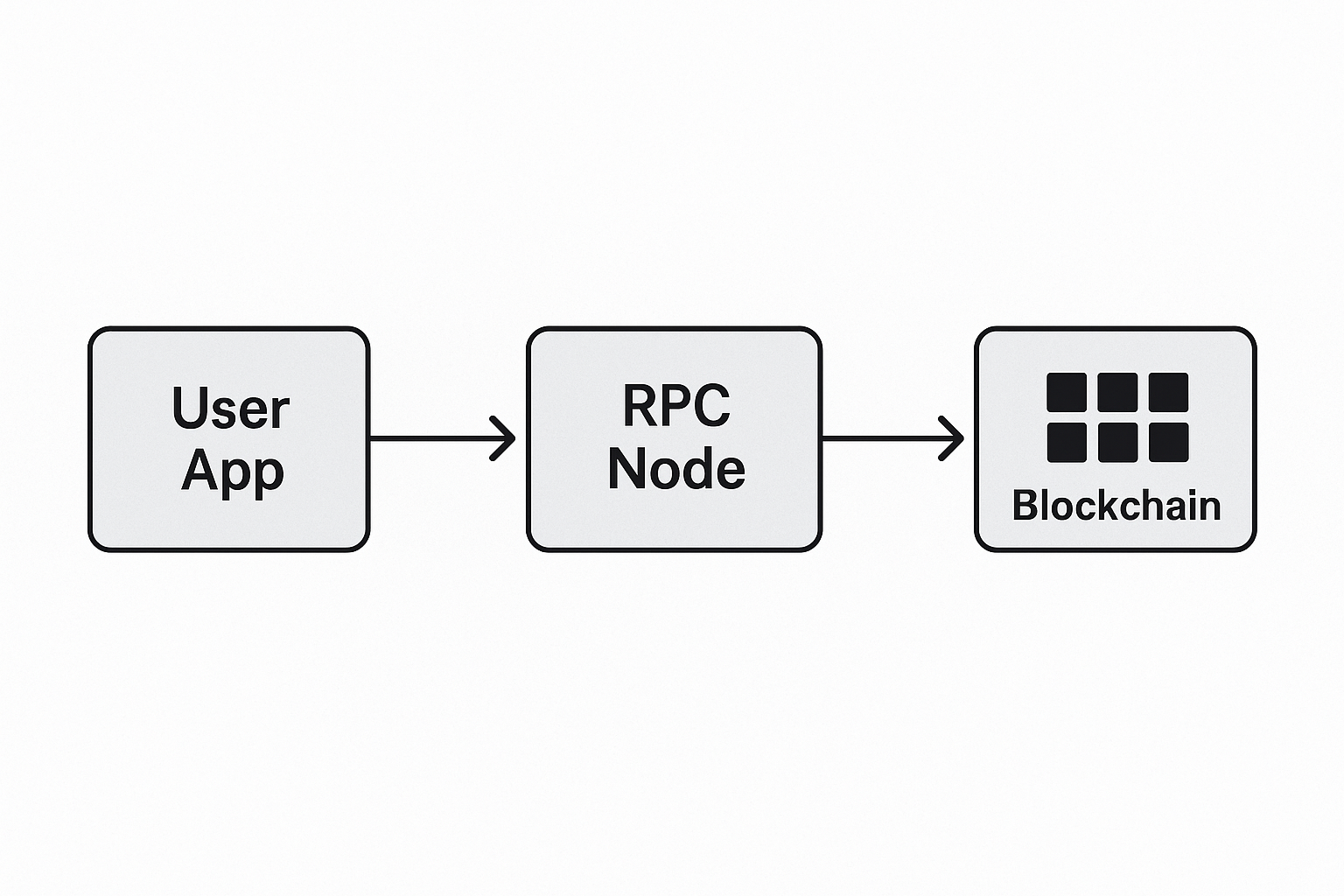
Using a custom Remote Procedure Call (RPC) node in your Phantom Wallet is a powerful way to cut through this congestion. It gives your transactions a dedicated highway to the Solana network, significantly boosting your chances of fast, successful trades.
What is a Custom RPC Node?
A custom RPC node acts as your private gateway to the Solana blockchain, offering a direct and less congested connection. This dedicated pathway ensures your transaction requests are processed faster and more reliably than through shared public nodes.
By using a custom RPC, especially one with MEV (Maximal Extractable Value) protection, you can reduce latency and improve transaction inclusion rates. This is critical for competitive trading, allowing you to get your trades into blocks ahead of others who are still relying on slower, default connections.
Why Do Solana Trades Get Stuck or Fail ?
Solana transactions often get stuck or fail due to network congestion, where too many transactions compete for limited block space. The default public RPC nodes, which many users share, become overwhelmed and slow down, leading to delays or dropped transactions.
During peak activity, such as a major DePIN token presale or an AI agent infrastructure launch, the Solana mempool fills rapidly. Transactions sent through congested public RPCs might not reach validators quickly enough, causing them to time out or be outbid by others using priority fees and Jito tips.
How Do I Find Reliable Custom Solana RPC Providers for Phantom Wallet?
Finding a reliable custom RPC provider involves looking at several key factors to ensure optimal performance and security. You need a provider that offers low latency, high uptime, and supports advanced features like Jito bundles and MEV protection.
Consider providers that specialize in high-throughput Solana infrastructure and have a proven track record. Many premium services offer dedicated endpoints that are specifically designed to handle the demands of active traders and decentralized applications.
Comparing Different Types of Solana RPC Access
When choosing a Solana RPC provider, it's important to understand how the available options differ in terms of speed, reliability, cost, and transaction performance.
Public Free RPCs
Public free RPCs are suitable for basic testing and occasional use, but they often struggle during periods of heavy network activity.
- Latency: High and often inconsistent
- Jito/MEV Support: Limited or unavailable
- Cost Model: Free
- Reliability/Uptime: Variable and more prone to outages
- Transaction Success Rate: Lower during network congestion
Premium Shared RPCs
Premium shared RPCs offer better performance and stability than free RPCs while remaining affordable for most users.
- Latency: Moderate and generally stable
- Jito/MEV Support: Basic Jito support is often available
- Cost Model: Subscription-based with tiered pricing
- Reliability/Uptime: Good, often backed by service level agreements
- Transaction Success Rate: Better than public RPCs, though resources are still shared
Dedicated or MEV-Protected RPCs
Dedicated and MEV-protected RPCs are designed for users who need the highest level of performance, reliability, and transaction priority.
- Latency: Low and highly consistent
- Jito/MEV Support: Full Jito bundle support and MEV protection
- Cost Model: Higher subscription costs, often based on usage
- Reliability/Uptime: Excellent, with redundancy and strong service guarantees
- Transaction Success Rate: Highest, with prioritized transaction inclusion during congestion
By understanding these differences, you can choose the type of Solana RPC access that best matches your needs, whether you're a casual user, active trader, developer, or validator.
READ ALSO
How to Add a Custom RPC Node to Your Phantom Wallet: Step-by-Step Guide
Adding a custom RPC node to your Phantom Wallet is a straightforward process that takes just a few minutes. This configuration will allow you to switch between your default and custom connections as needed, giving you more control over your transaction speed.
Follow these steps to configure your Phantom Wallet with a custom Solana RPC endpoint:
- Open Phantom Wallet and Access Settings: Click on the Phantom Wallet icon in your browser extension or mobile app. Once open, locate and click the gear icon (⚙️) at the bottom right to enter the Settings menu.
- Navigate to the 'Developer Settings' Section: Scroll down through the Settings menu until you find the 'Developer Settings' option. This section contains advanced configurations, including RPC management.
- Select 'Change Network' and 'Add Custom RPC': Within Developer Settings, click on 'Change Network'. At the bottom of the list of available networks (Mainnet Beta, Devnet, Testnet), you will see an option labeled 'Add Custom RPC'. Click this to proceed.
- Enter Your Custom RPC URL: A new window will appear prompting you to enter the RPC URL provided by your chosen custom RPC service. Paste the full URL into the designated field. Ensure there are no extra spaces or characters.
- Save and Select Your New RPC: After pasting the URL, click 'Save'. Phantom Wallet will then add this new RPC to your list of available networks. You can now select it from the 'Change Network' menu to start using it for all your transactions.
How to Optimize Your Solana Transactions with Jito Tips and Priority Fees
Beyond custom RPCs, integrating Jito tips and priority fees is crucial for maximizing your transaction speed and success on Solana. These mechanisms allow you to signal to validators that your transaction is important and should be processed quickly, especially during network stress.
Jito tips are direct payments to validators for including your transaction in a block, often bundled with other transactions for MEV protection. Priority fees are Solana's native way to pay for faster processing, directly increasing the likelihood of your transaction being picked up by validators.
Here are the key aspects of using Jito tips and priority fees:
- Jito Bundles: When using a dApp or wallet that supports Jito, you can specify a Jito tip in SOL. This tip is paid to the validator that includes your transaction in a Jito bundle, which often provides MEV protection by ensuring your transaction isn't front-run. For example, during a high-demand token launch, a 0.005 SOL Jito tip can significantly increase your inclusion probability. Learn more about Jito here.
- Dynamic Priority Fees: Solana's network dynamically adjusts priority fees based on network congestion. You can set a custom priority fee, measured in micro-lamports per compute unit, to outbid other transactions. A common strategy for urgent trades is to set a priority fee of 100,000 micro-lamports per compute unit, which is typically enough to get included in the next block even with moderate congestion. Understand Solana priority fees.
- Wallet/DApp Integration: Many advanced Solana trading platforms and wallets, including newer versions of Phantom and Jupiter, now offer built-in options to adjust Jito tips and priority fees directly within the transaction confirmation screen. Always check these settings before confirming a critical trade.
When Should I Use a Custom RPC Node for Solana Trading?
You should use a custom RPC node whenever transaction speed and reliability are paramount for your trading strategy. This includes times when the Solana network is experiencing high traffic, or when you are engaging in time-sensitive activities.
Specific scenarios where a custom RPC node provides a significant edge include:
- High-Volume Token Launches: During the initial minutes of a new token's launch, especially for promising DePIN or AI agent infrastructure projects, network demand spikes. A custom RPC helps you get your buy order in before prices surge.
- NFT Mints: For highly anticipated NFT collections, minting quickly is essential to secure rare items or even just to get an allocation. A fast RPC can be the difference between a successful mint and a failed transaction.
- Critical Arbitrage Opportunities: If you're executing arbitrage strategies across different Solana-based DEXs, milliseconds matter. A custom RPC reduces latency, allowing you to capitalize on fleeting price differences.
- Volatile Market Conditions: During sudden market crashes or pumps, prices can change rapidly. A custom RPC ensures your limit orders or stop-losses execute promptly, protecting your capital or securing profits.
Conclusion
In the fast-paced world of Web3 trading, especially on a high-throughput chain like Solana, every advantage counts. Using a custom RPC node in your Phantom Wallet, combined with strategic Jito tips and priority fees, is no longer a niche tactic but a standard practice for serious traders in 2026.
By taking control of your connection to the Solana network, you significantly improve your transaction success rates, reduce slippage, and gain a competitive edge. This setup ensures your trades are processed swiftly and reliably, even when the network is under heavy load.