
Crypto airdrops have become a popular way for blockchain projects to reward early users and attract new community members. For many people, airdrops offer an opportunity to receive free tokens simply by completing tasks or interacting with a project.
Unfortunately, the popularity of airdrops has also attracted scammers. Fraudsters frequently target airdrop communities because they know participants are often eager to claim rewards and may act quickly without verifying information.
One of the most dangerous scams found in these communities is seed phrase phishing. Understanding how these scams work can help you protect your wallet and avoid losing your cryptocurrency.
What Is a Seed Phrase?
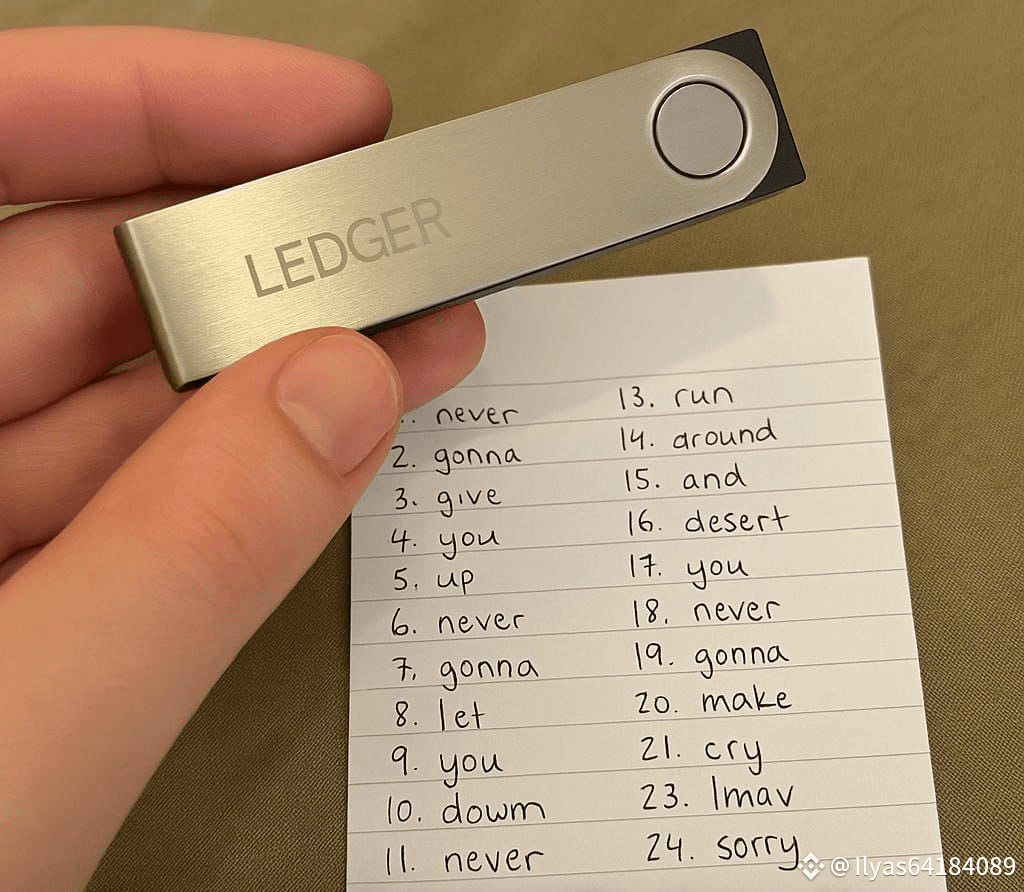
A seed phrase, also known as a recovery phrase, is a sequence of words generated when you create a cryptocurrency wallet. These words serve as the backup key to your wallet and allow you to restore access if your device is lost or damaged.
Most wallets generate either:
- 12-word seed phrases
- 24-word seed phrases
Anyone who gains access to your seed phrase can take complete control of your wallet and all the assets stored within it.
Unlike a password, a seed phrase cannot be changed once it has been compromised. This is why protecting it is one of the most important aspects of crypto security.
What Is Seed Phrase Phishing?
Seed phrase phishing is a scam designed to trick users into voluntarily revealing their wallet recovery phrase. Instead of hacking a wallet directly, scammers manipulate victims into handing over access themselves.
In airdrop communities, scammers often pretend to be project administrators, moderators, or official support representatives. Their goal is to convince users that entering their seed phrase is necessary to claim tokens or verify eligibility.
Once the victim enters the recovery phrase, the scammer gains full access to the wallet and can transfer all assets out almost immediately.
Why Airdrop Groups Are Common Targets
Airdrop groups often contain thousands of users looking for opportunities to claim free tokens. This creates an environment where scammers can easily blend in and target inexperienced participants.
Many users join Telegram groups, Discord servers, and social media communities specifically to receive updates about rewards and token distributions. Scammers take advantage of this by creating fake announcements and impersonating trusted community members.
Because participants are often focused on claiming rewards quickly, they may be more likely to overlook warning signs that would otherwise seem obvious.
How Seed Phrase Phishing Scams Work
Most seed phrase phishing scams follow a similar pattern. The scammer creates a sense of urgency and attempts to direct users to a fake website or support channel.
A typical scam may involve:
- A fake airdrop announcement.
- A fraudulent claim link.
- A fake wallet connection page.
- A request for the recovery phrase.
- Immediate theft of wallet assets.
Everything is designed to look as legitimate as possible, making it difficult for inexperienced users to identify the scam.
READ ALSO
Common Tactics Used by Scammers
Scammers continuously adapt their methods, but several tactics appear repeatedly across airdrop communities.
Some of the most common techniques include:
- Fake token claim pages
- Impersonation of moderators
- Fake customer support accounts
- Fraudulent wallet verification requests
- Direct messages promising rewards
- Links to cloned project websites
These scams often rely on convincing visuals and branding that closely resemble the real project.
The Biggest Warning Sign
The single most important rule in crypto security is simple: no legitimate project will ever ask for your seed phrase.
This applies to:
- Airdrops
- Exchanges
- Wallet providers
- NFT platforms
- DeFi protocols
- Customer support teams
If anyone asks for your recovery phrase, you are dealing with a scam.
Legitimate wallet connections only require you to approve transactions through your wallet interface. They never require you to type your recovery phrase into a website.
How to Spot a Phishing Attempt
Recognizing the warning signs can help you avoid becoming a victim.
Watch for the following red flags:
READ ALSO
Requests for Your Seed Phrase
This is the most obvious sign of a scam. Any website or individual requesting your recovery phrase should be avoided immediately.
Suspicious Links
Scammers often use website addresses that look similar to legitimate domains.
Examples include:
- Misspelled project names
- Extra characters in URLs
- Unusual domain extensions
- Fake subdomains
Always verify links before clicking.
Urgent Messages
Many scams create a false sense of urgency to pressure users into acting quickly.
Common phrases include:
- Claim now
- Limited-time offer
- Final chance
- Rewards expire today
Scammers want you to react before you have time to think.
Poor Grammar and Formatting
While not always present, many phishing attempts contain spelling mistakes, awkward wording, and poor formatting.
Professional projects typically review their communications carefully before publishing them.
Unsolicited Direct Messages
Many legitimate crypto communities disable direct messages from administrators because scammers frequently impersonate support staff.
Be cautious if someone contacts you unexpectedly claiming to offer assistance.
How to Protect Yourself
Following a few basic security practices can dramatically reduce your chances of becoming a victim.
Never Share Your Seed Phrase
Your recovery phrase should remain private at all times. No legitimate service will ever need access to it.
Verify Every Source
Before interacting with any airdrop announcement, confirm the information through official channels.
Check:
- Official website
- Verified X account
- Official Discord server
- Official Telegram group
Cross-checking information can prevent costly mistakes.
Use Hardware Wallets
If you hold significant amounts of cryptocurrency, consider using a hardware wallet.
Benefits include:
- Offline private key storage
- Additional transaction verification
- Protection against many online attacks
Hardware wallets provide an extra layer of security that software wallets cannot match.
Bookmark Official Websites
Instead of clicking links from social media posts or messages, bookmark official project websites and access them directly.
This helps reduce the risk of accidentally visiting a phishing site.
What to Do If You Entered Your Seed Phrase
If you accidentally enter your seed phrase on a phishing website, act immediately.
Take the following steps:
- Create a new wallet.
- Transfer remaining funds immediately.
- Move NFTs and tokens to the new wallet.
- Stop using the compromised wallet.
- Report the phishing website.
Time is critical because scammers often automate wallet theft once they receive recovery phrases.
Real Example of a Seed Phrase Scam
Imagine a user joins a Telegram group for a highly anticipated airdrop. Shortly after joining, they receive a direct message from someone using the same profile picture as an administrator.
The message claims there is a special early claim event and includes a link to a website that looks identical to the official project page. The user clicks the link and is asked to "verify" their wallet by entering their 12-word recovery phrase.
Within minutes of entering the phrase, every asset in the wallet is transferred to unknown addresses. The scammer never needed to hack the wallet because the victim unknowingly handed over complete access.
Final Thoughts
Seed phrase phishing remains one of the most common and effective scams in cryptocurrency communities. Airdrop groups are particularly attractive targets because scammers know participants are actively searching for opportunities and rewards.
The most important thing to remember is that your seed phrase is the master key to your wallet. Anyone who obtains it gains complete control of your assets. No legitimate airdrop, support team, exchange, or project will ever ask for it.
By verifying sources, avoiding suspicious links, ignoring unsolicited messages, and keeping your recovery phrase private, you can significantly reduce the risk of becoming a victim and enjoy a safer experience in the crypto ecosystem.