Crypto whale wallets often attract attention because their transactions can influence market sentiment and, in some cases, price movements. These wallets belong to individuals, institutions, funds, or early investors who hold large amounts of cryptocurrency. When a whale buys, sells, or transfers assets, traders frequently monitor those activities for clues about potential market trends.
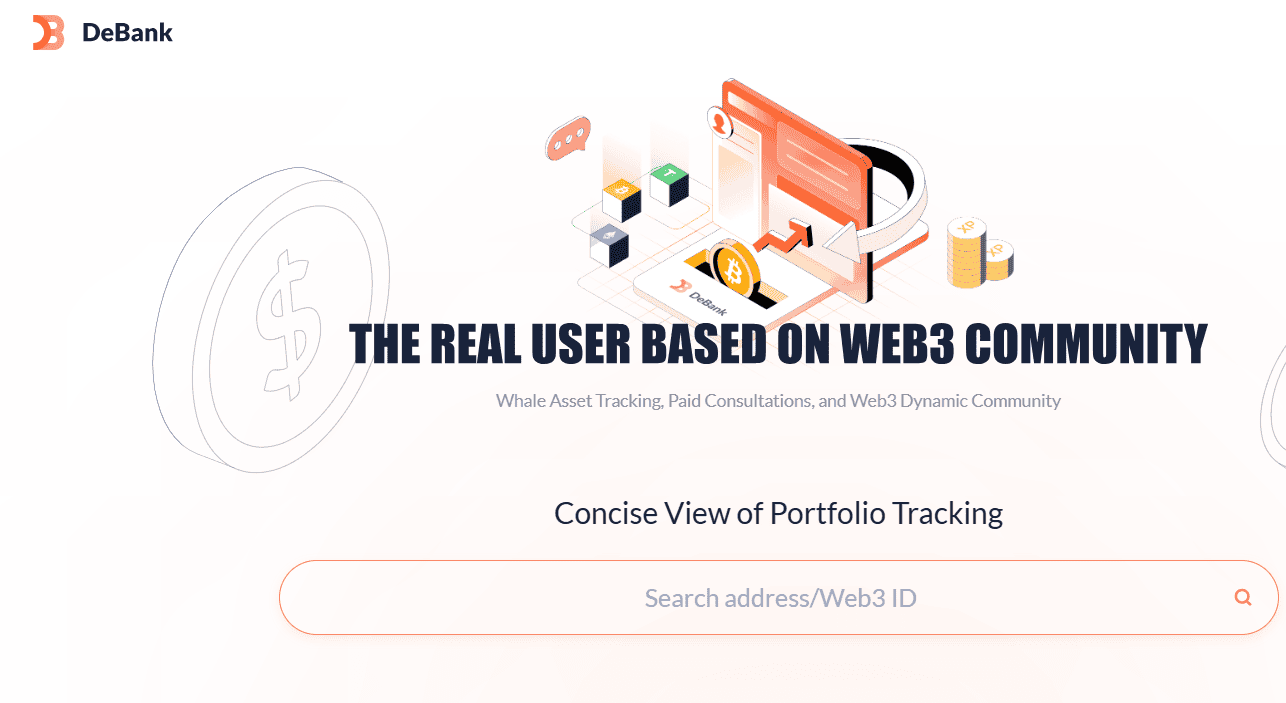
Fortunately, blockchain transactions are publicly recorded, making it possible to track wallet activity using specialized tools. One of the most popular platforms for this purpose is DeBank. It allows users to view wallet balances, transaction histories, DeFi positions, NFT holdings, and portfolio changes across multiple blockchain networks from a single dashboard.
Whether you're a trader looking for market insights, a researcher analyzing on-chain activity, or simply curious about how large crypto holders manage their assets, learning how to track whale wallets with DeBank can provide valuable information. In this guide, you'll learn how DeBank works, how to find and monitor whale wallets, and what to look for when analyzing their on-chain movements.
What is Crypto Whales?
Crypto whales are simply individuals or entities holding a very large amount of a particular cryptocurrency. Their significant holdings mean their transactions can move markets, making their activity interesting to watch.
Tracking these large wallets can offer a peek into potential market trends or upcoming shifts. It's like seeing what the big players are doing before everyone else, which can help you make more informed decisions.
However, it's really important to remember that following whales isn't a guarantee of success. They have different goals and resources than most of us, so always do your own research.
Getting Started with DeBank
DeBank is a powerful tool that lets you explore on-chain data across many blockchains. It's a free platform that aggregates wallet information, DeFi positions, and transaction history, making it perfect for our task.
To begin, just head over to the DeBank website. You don't need to create an account or connect your wallet to start viewing public data, which is super convenient for quick checks.
The interface is pretty straightforward. You'll see a search bar where you can paste wallet addresses or ENS names, and various sections for rankings, protocols, and news.
Finding Whale Wallets on DeBank
Finding a whale's wallet address is the first step. Sometimes you might already have one from news or social media, but DeBank also helps you discover them.
You can use DeBank's 'Ranking' section to see top holders by total assets or specific tokens. This is a great way to identify wallets with substantial holdings that qualify as whales.
Another method is to look at major token pages directly on DeBank. Often, these pages list the top holders, giving you direct access to potential whale addresses to investigate further.
How to Analyze Crypto Whale Wallet Activity
Once you have a whale's address, paste it into DeBank's search bar. You'll then see a detailed overview of their portfolio, including all their assets, DeFi positions, and transaction history.
This overview gives you a clear picture of what they are holding and which protocols they are interacting with. You can see their net worth, how it has changed over time, and their recent transactions.
Looking at their transaction history is key. You can see when they bought or sold assets, which tokens they are accumulating, and where they are moving their funds. This helps you understand their strategy.
Key Metrics to Watch
When you're looking at a whale's wallet on DeBank, there are a few specific things that can give you good insights. These metrics help you understand their current strategy and potential future moves.
- Total Value Locked (TVL): See how much capital they have deployed across different DeFi protocols.
- Recent Transactions: Pay attention to large buys or sells of specific tokens, or significant movements between protocols.
- Token Distribution: Observe which assets make up the largest portion of their portfolio. Are they diversifying or concentrating holdings?
- Protocol Interactions: Note which DeFi protocols they frequently use. This might indicate their preferred strategies or areas of interest.
Interpreting Whale Moves
Interpreting whale moves requires a bit of detective work. A large purchase might signal confidence in a token, while a large sale could suggest they are taking profits or losing faith.
However, context is everything. A whale might be moving funds for tax reasons, rebalancing their portfolio, or even preparing for an OTC (over-the-counter) deal that won't impact the public market directly.
Don't jump to conclusions based on a single transaction. Look for patterns over time and cross-reference with broader market news to get a more complete picture.
Important Considerations and Warnings
While tracking whales can be insightful, it's crucial to approach it with a clear understanding of its limitations. This isn't a crystal ball, and there are real risks involved.
Remember, whale tracking is not financial advice. These individuals have different risk appetites and financial situations than you. What works for them might not work for you.
Always be aware of understanding on-chain data privacy implications. While DeBank shows public data, it's still sensitive information about someone's financial activity.
Risks of Copying Whale Trades
Blindly following whale trades can lead to significant losses. Whales operate with different strategies and capital, and their moves don't always translate to profitable opportunities for smaller investors. Here are some key risks to keep in mind.
- Slippage: Your smaller trades might suffer from worse execution prices if you try to follow a whale's large order.
- Different Time Horizons: Whales might be playing a very long game, while you might be looking for short-term gains, leading to mismatched expectations.
- Exit Liquidity: If a whale sells a large position, there might not be enough liquidity for you to exit your smaller position at a good price.
- Manipulation: Some large wallets might engage in wash trading or other manipulative tactics, which can mislead followers.
Step-by-Step Guide to Tracking a Whale
Let's walk through a simple process to track a whale's wallet movements using DeBank. This will help you put all the pieces together and start your own analysis.
- Find a Whale Address: Start by identifying a whale. Use DeBank's 'Ranking' feature or look up top holders of a specific token you're interested in. Copy their wallet address.
- Paste into DeBank: Go to DeBank.com and paste the copied wallet address into the search bar at the top. Press Enter to view their profile.
- Review Portfolio: On the whale's profile page, examine their current asset holdings. See which tokens they own, their amounts, and their distribution across different chains.
- Check DeFi Positions: Click on the 'DeFi' tab to see their active positions in various protocols. This shows where they are earning yield or providing liquidity.
- Analyze Transactions: Go to the 'History' tab. Filter transactions by 'Swap' or 'Transfer' to see their recent buying, selling, or moving of assets. Look for patterns or significant activity.
- Set Up Alerts (Optional): While DeBank doesn't have native alerts, you can use third-party tools that integrate with blockchain data to get notifications for specific wallet activity.
Conclusion
Tracking crypto whale wallet movements using DeBank can offer valuable insights into market sentiment and potential trends. It's a powerful way to use public on-chain data to inform your understanding of the crypto space.
Remember to use this information as a guide, not a directive. Always combine whale tracking with your own DeFi security tips research and a solid understanding of protecting your crypto assets.
By carefully observing these large players, you can sharpen your analytical skills and gain a deeper perspective on the ever-evolving world of digital assets.