
Crypto presales attract investors because they offer the opportunity to buy tokens before they become available on public exchanges. Getting in early can be appealing, especially when a project appears to have strong growth potential and an active community.
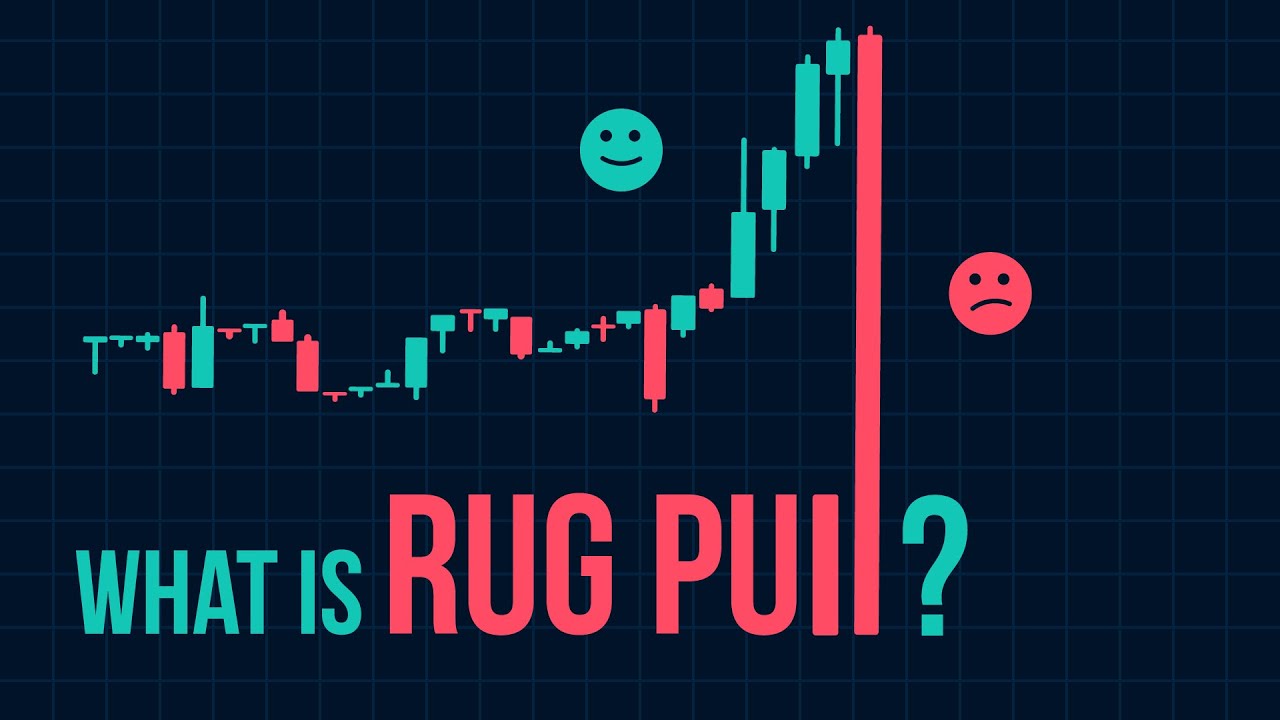
However, not every presale is legitimate. Some projects are created with the sole intention of collecting funds from investors before disappearing. These scams, commonly known as rug pulls, have become one of the biggest risks in the cryptocurrency market.
Learning how to identify the warning signs of a rug pull can help you avoid costly mistakes and make more informed investment decisions. While no method guarantees complete protection, recognizing common red flags can significantly reduce your risk.
What Is a Crypto Rug Pull?
A rug pull is a type of cryptocurrency scam where project developers abandon the project and take investors' funds. In many cases, the team promotes the project aggressively, attracts investment, and then disappears once enough money has been raised.
Some rug pulls happen immediately after a presale ends, while others occur weeks or months later. The end result is often the same: investors are left holding tokens that have little or no value.
Rug pulls generally fall into two categories:
- Liquidity theft
- Token dumping by insiders
Understanding how these scams work is the first step toward avoiding them.
Why Presales Are Common Targets
Presales often involve projects that have not yet launched their products, making it difficult for investors to verify many of the claims being made. This lack of transparency creates opportunities for dishonest actors.
Unlike established cryptocurrencies, presale projects may have limited track records, fewer community members, and little independent verification. As a result, investors often rely heavily on information provided by the project team.
Scammers take advantage of this uncertainty by creating professional websites, fake partnerships, and misleading marketing campaigns that make their projects appear legitimate.
Check Whether the Team Is Transparent
One of the first things to investigate is the team behind the project. A legitimate project will usually provide information about its founders, developers, advisors, and key contributors.
While some crypto projects operate with pseudonymous founders, complete anonymity should encourage additional caution. If nobody can verify who is running the project, accountability becomes much more difficult.
Things to look for include:
- Public team profiles
- LinkedIn accounts
- Previous project experience
- Interviews or public appearances
- Verifiable professional backgrounds
A project with no identifiable leadership deserves closer scrutiny.
Watch for Unrealistic Promises
Scam projects often rely on exaggerated claims to attract investors quickly. They know that promises of massive profits can create excitement and encourage people to invest without conducting proper research.
No legitimate investment can guarantee returns, especially in a market as volatile as cryptocurrency. Projects that focus heavily on profits while providing little information about their technology or product should be approached carefully.
Common warning signs include:
- Guaranteed profits
- Claims of risk-free investing
- Promises of 100x or 1000x returns
- Constant price predictions
- Pressure to invest immediately
If something sounds too good to be true, it usually is.
READ ALSO
Review the Tokenomics Carefully
Tokenomics explains how a project's token supply is distributed and managed. This section can reveal whether the project has been designed with long-term sustainability in mind or primarily benefits insiders.
A poor token distribution model can create significant risks for investors. If a small group controls most of the supply, they may be able to sell large amounts of tokens and crash the market.
Pay attention to:
- Team allocation
- Investor allocation
- Vesting schedules
- Total supply
- Circulating supply
- Token utility
Projects that allocate excessive amounts to insiders without lock-up periods deserve extra caution.
Check If Liquidity Is Locked
Liquidity is one of the most important factors to review when evaluating a new token. If liquidity is not locked, developers may be able to remove funds from the trading pool at any time.
Many rug pulls occur when project teams withdraw liquidity after attracting investors. Once liquidity is removed, holders may find it difficult or impossible to sell their tokens.
Before investing, verify:
- Whether liquidity is locked
- How much liquidity is locked
- The lock duration
- The platform used for locking
Longer lock periods generally provide greater reassurance than short-term locks.
Examine the Smart Contract
A project's smart contract can reveal risks that are not obvious from its website or marketing materials. Reviewing the contract can help identify functions that give developers excessive control.
Even if you are not a developer, blockchain explorers can provide useful information about how a contract operates.
Look for potential issues such as:
- Unlimited token minting
- Blacklisting functions
- Transaction restrictions
- Hidden fees
- Owner-controlled permissions
Projects that allow developers to change critical settings without restrictions may carry additional risk.
READ ALSO
Look for Independent Audits
Smart contract audits are security reviews performed by independent firms. While an audit does not guarantee a project's success, it can help identify vulnerabilities and improve transparency.
A project that invests in a reputable audit demonstrates a willingness to have its code reviewed by third-party experts.
When reviewing audits, check:
- The auditing company
- Audit findings
- Whether issues were fixed
- Audit publication date
Be cautious of projects that claim to be audited but provide no supporting documentation.
Analyze the Community
A genuine project usually develops an active community where members discuss the product, roadmap, and future plans. Community engagement can reveal a lot about a project's credibility.
Some scam projects attempt to create the illusion of popularity by purchasing followers or using automated accounts.
Warning signs include:
- Large follower counts with little engagement
- Repetitive comments from users
- Excessive moderation
- Deleted questions
- Banned community members asking legitimate questions
Healthy communities encourage discussion rather than suppress it.
Investigate Partnerships and Claims
Many fraudulent projects advertise partnerships with well-known companies to build credibility. Unfortunately, these partnerships are often exaggerated or completely fabricated.
Before accepting any partnership claim, verify it independently through official announcements from both organizations involved.
Things worth checking include:
- Partner websites
- Press releases
- Social media announcements
- Industry news coverage
If a partnership cannot be verified, treat the claim with skepticism.
Watch for Suspicious Wallet Activity
Blockchain transactions are public, making it possible to review token distribution and wallet activity.
Large transfers to team-controlled wallets or concentrated ownership among a few addresses can indicate increased risk. While this does not automatically mean a project is fraudulent, it is information worth investigating further.
Pay attention to:
- Large token concentrations
- Frequent insider transfers
- Unusual wallet activity
- Sudden liquidity movements
These indicators can provide valuable insight into how the project is being managed.
What to Do If You Suspect a Rug Pull
If you identify several warning signs, the safest approach is often to avoid investing altogether. Missing a potentially profitable opportunity is usually better than losing your entire investment.
If you've already invested and believe a rug pull may be developing, monitor official announcements closely and assess whether withdrawing your funds is possible before further risks emerge.
You should also:
- Document evidence
- Save transaction records
- Report suspicious activity
- Warn other investors responsibly
Acting quickly may help reduce potential losses.
Final Thoughts
Rug pulls remain one of the biggest risks facing investors in new crypto presales. While scammers continue to develop more sophisticated tactics, many fraudulent projects still display warning signs that can be identified through careful research.
Before investing, take time to review the team, tokenomics, liquidity, smart contract, audits, and community activity. Looking beyond marketing materials and examining the fundamentals can help you distinguish legitimate projects from potentially dangerous ones.
The best defense against a rug pull is thorough due diligence. The more information you gather before investing, the better equipped you'll be to protect your funds and make smarter decisions.